Creative Ideas for Home and Decor

Interior Design Basics

  • Understanding Design Styles: Explain various styles (e.g., modern, bohemian, minimalist, rustic) and how to choose one that fits personal taste.
  • Color Theory: Discuss how colors affect mood and how to select a palette that creates the desired atmosphere.
  • Space Planning: Provide tips on arranging furniture for optimal flow and functionality in different rooms.

DIY Projects

  • Simple DIY Decor: Share step-by-step guides for easy projects like making wall art, upcycling furniture, or creating custom shelves.
  • Seasonal Decor: Offer ideas for decorating according to seasons or holidays, including crafts and budget-friendly options.
  • Outdoor Spaces: Provide DIY tips for enhancing outdoor areas, such as patios or gardens, with lighting, furniture, and plants.

Budget-Friendly Tips

  • Thrifting and Vintage Finds: Discuss the benefits of shopping at thrift stores and flea markets for unique decor pieces.
  • Smart Shopping: Share tips for finding quality decor on a budget, including online resources and sales strategies.
  • Repurposing: Encourage readers to repurpose existing items in creative ways instead of buying new.

Room-Specific Ideas

  • Living Room Inspiration: Share design ideas for creating a cozy and inviting living space, including furniture arrangements and decor accents.
  • Bedroom Retreat: Offer tips for making bedrooms restful and stylish, including bedding, lighting, and decor choices.
  • Kitchen Makeover: Discuss ways to update kitchen spaces, such as paint, hardware changes, and organization solutions.

Sustainable Home Decor

  • Eco-Friendly Materials: Highlight sustainable materials and products, like bamboo, reclaimed wood, or recycled glass.
  • Energy-Efficient Choices: Discuss how to incorporate energy-efficient appliances and lighting into home design.
  • Plants and Greenery: Share the benefits of indoor plants and tips for selecting and caring for them.

Home Organization

  • Decluttering Strategies: Provide practical tips for decluttering spaces effectively and maintaining organization.
  • Storage Solutions: Share creative storage ideas for small spaces, including multi-functional furniture and clever storage hacks.
  • Labeling Systems: Discuss the importance of labeling in organization and provide ideas for creating an effective labeling system.

Trends and Innovations

  • Current Trends: Highlight popular home decor trends, such as biophilic design, maximalism, or smart home technology.
  • Innovative Products: Review innovative home decor products or tools that can enhance living spaces or simplify tasks.
  • Forecasting Future Trends: Speculate on upcoming trends in home and decor for readers to consider.

Personal Touches

  • Creating a Personalized Space: Discuss the importance of incorporating personal items, such as photographs or travel souvenirs, into home decor.
  • Cultural Influences: Explore how to bring cultural influences into home design, reflecting personal heritage or experiences.
  • Sentimental Decor: Encourage readers to use meaningful objects and heirlooms in their decor to create a home that tells their story.


Exploring the World

Inspiring Destinations

  • Hidden Gems: Highlight off-the-beaten-path locations that are less crowded but equally beautiful.
  • Bucket List Locations: Create a list of must-visit places around the world, like iconic landmarks, natural wonders, or unique cultural sites.
  • Local Favorites: Share recommendations for lesser-known spots in popular destinations.

Travel Tips and Hacks

  • Packing Essentials: Provide a checklist of must-have items for different types of trips (beach, hiking, city tours).
  • Budget Travel Tips: Share advice on finding affordable accommodations, flights, and dining options.
  • Travel Safety: Discuss important safety tips for solo travelers, including how to stay aware and secure in unfamiliar places.

Adventure Activities

  • Outdoor Adventures: Highlight activities like hiking, kayaking, rock climbing, or zip-lining in various locations.
  • Cultural Experiences: Share immersive experiences such as cooking classes, local festivals, or community service opportunities.
  • Wildlife Encounters: Recommend places for wildlife viewing, such as national parks or eco-tours.

Traveling with Purpose

  • Voluntourism: Discuss the benefits of combining travel with volunteering and highlight organizations that offer such opportunities.
  • Sustainable Travel: Share tips on how to travel responsibly, minimize your carbon footprint, and support local economies.
  • Cultural Respect: Educate readers on how to engage with local cultures respectfully and meaningfully.

Traveling with Kids or Pets

  • Family-Friendly Destinations: Suggest places that cater to families with children, including activities and accommodations.
  • Traveling with Pets: Share tips for taking pets along on trips, including pet-friendly accommodations and travel essentials.
  • Planning Activities: Recommend fun activities that cater to all ages and interests.

Food and Travel

  • Culinary Adventures: Highlight food tours, cooking classes, or must-try dishes in various destinations.
  • Street Food Guide: Share insights on popular street foods and where to find them in different cities.
  • Restaurant Recommendations: Create a list of local favorites or unique dining experiences.

Travel Gear and Essentials

  • Gear Reviews: Provide insights on essential travel gear, such as backpacks, travel pillows, or gadgets.
  • Tech for Travel: Recommend apps and tools that make travel planning and navigation easier.
  • Photography Tips: Share tips for capturing stunning travel photos, including gear and techniques.

Personal Travel Stories

  • Adventure Narratives: Share your own travel experiences, highlighting challenges, surprises, and memorable moments.
  • Cultural Encounters: Describe meaningful interactions with locals and what you learned from them.
  • Lessons Learned: Reflect on the lessons travel has taught you about life, culture, and yourself.

The Importance of Midday Breaks

The Science Behind Breaks

  • Cognitive Benefits: Discuss research showing how breaks can enhance focus, creativity, and overall productivity.
  • Mental Health: Highlight the role of breaks in reducing stress and preventing burnout.

Types of Midday Breaks

  • Physical Activity: Explain the benefits of short walks or quick workouts to refresh the body and mind.
  • Mindfulness and Relaxation: Introduce practices like meditation, deep breathing, or stretching to help clear the mind.
  • Social Connections: Discuss the positive effects of chatting with colleagues or friends during breaks to foster connection.

Creating an Ideal Break Routine

  • Timing: Recommend taking breaks every 60–90 minutes to maintain energy levels.
  • Duration: Suggest break lengths (5–15 minutes) based on personal preference and task intensity.
  • Scheduled Breaks: Encourage readers to schedule their breaks in advance to ensure they happen.

Engaging Activities for Midday Breaks

  • Stretching Exercises: Share simple stretches that can be done at the desk or nearby.
  • Short Walks: Recommend exploring outdoor areas or taking a few laps around the building.
  • Mindfulness Practices: Provide a brief guide to a 5-minute meditation or breathing exercise.
  • Healthy Snacking: Suggest nutritious snack options to refuel energy levels, such as fruits, nuts, or yogurt.

Disconnecting from Screens

  • Digital Detox: Stress the importance of stepping away from screens during breaks to reduce eye strain and mental fatigue.
  • Alternative Activities: Encourage engaging in non-screen activities, like reading a book, doodling, or journaling.

Reflecting and Recharging

  • Mindful Reflection: Encourage using part of the break to reflect on tasks accomplished and adjust plans for the rest of the day.
  • Gratitude Practices: Suggest taking a moment to express gratitude, which can enhance mood and perspective.

Mastering Work and Study Blocks

Understanding Work/Study Blocks

  • Definition: Explain what work/study blocks are and their purpose in enhancing focus and productivity.
  • Benefits: Highlight advantages like improved concentration, reduced burnout, and better time management.

Setting Up Your Environment

  • Minimize Distractions: Discuss the importance of a tidy, quiet workspace. Suggest tools like noise-canceling headphones or apps that block distracting websites.
  • Comfort and Ergonomics: Emphasize the need for a comfortable chair and desk setup to support longer study sessions.

Choosing the Right Time

  • Personal Productivity Peaks: Encourage readers to identify their most productive times of day (morning, afternoon, or evening) and schedule work/study blocks accordingly.
  • Time Blocking Method: Introduce the concept of time blocking and how to allocate specific hours for focused work.

The Pomodoro Technique

  • Explanation: Describe the Pomodoro Technique (25 minutes of focused work followed by a 5-minute break).
  • Benefits: Discuss how this method can enhance focus and prevent fatigue.
  • Tips: Recommend apps or timers to help implement this technique effectively.

Setting Clear Goals

  • SMART Goals: Introduce the SMART criteria (Specific, Measurable, Achievable, Relevant, Time-bound) for setting clear objectives for each block.
  • Daily Prioritization: Suggest creating a to-do list each morning to prioritize tasks for the day.

Incorporating Breaks

  • Importance of Breaks: Discuss the need for regular breaks to recharge and maintain productivity.
  • Types of Breaks: Recommend different activities for breaks, such as stretching, walking, or mindfulness exercises.

Review and Reflect

  • End-of-Block Reflection: Encourage readers to take a few minutes at the end of each work/study block to review what they accomplished.
  • Adjusting Strategies: Discuss how to evaluate productivity levels and adjust strategies for future blocks based on what worked or didn’t.

Kickstart Your Day: Delicious and Healthy Breakfast Ideas

The Importance of Breakfast

  • Nutritional Benefits: Explain how a healthy breakfast boosts metabolism, provides energy, and improves concentration.
  • Research Insights: Share studies linking breakfast consumption to better overall health and productivity.

Balanced Breakfast Components

  • Macronutrients: Discuss the importance of including proteins, healthy fats, and complex carbohydrates.
  • Colorful Plate: Encourage readers to aim for a variety of colors on their plates to ensure a range of nutrients.

Quick and Easy Breakfast Ideas

  • Overnight Oats: Provide a simple recipe with variations (e.g., fruits, nuts, seeds).
  • Smoothie Bowls: Share ideas for creating nutrient-packed smoothie bowls topped with fruits, granola, and nuts.
  • Avocado Toast: Suggest different toppings (e.g., poached egg, tomatoes, radishes) for a tasty twist.

Protein-Packed Options

  • Greek Yogurt Parfaits: Layer Greek yogurt with fruits and granola for a satisfying meal.
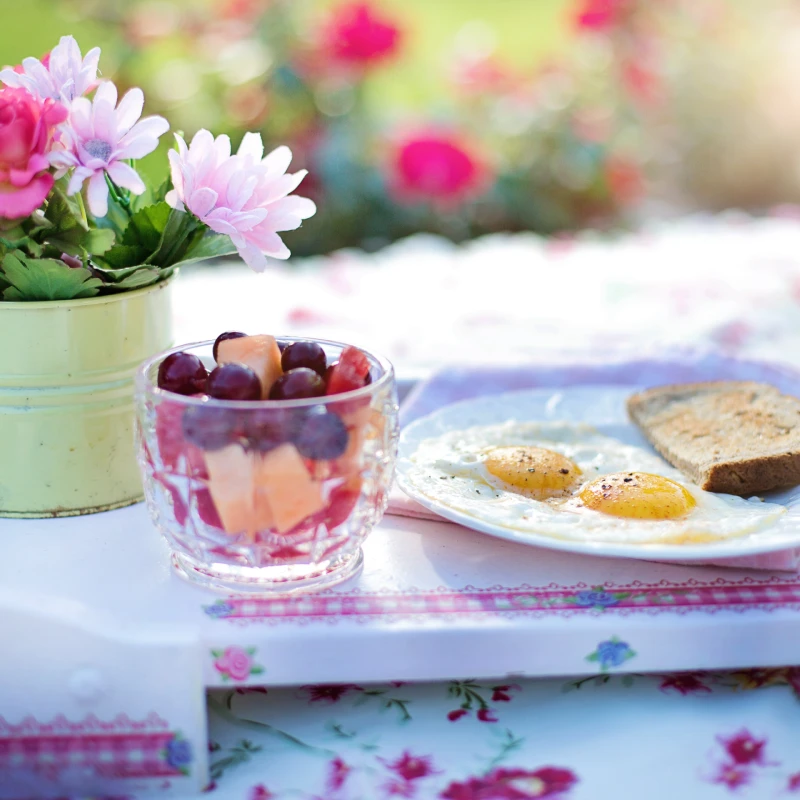
  • Egg Dishes: Highlight recipes for scrambled eggs, omelets, or egg muffins loaded with vegetables.

Healthy Grain Alternatives

  • Quinoa Breakfast Bowl: Suggest using quinoa as a base, topped with fruits, nuts, and a drizzle of honey.
  • Whole Grain Pancakes: Share a recipe for pancakes made with whole grain flour and add-ins like blueberries or bananas.

Make-Ahead Breakfasts

  • Batch Cooking: Encourage readers to prepare breakfast in advance for busy mornings.
  • Ideas: Offer suggestions for muffins, energy bars, or chia seed pudding that can be made ahead and stored.

Hydration and Morning Beverages

  • Water: Remind readers to hydrate upon waking.
  • Healthy Drink Options: Discuss alternatives like green smoothies, herbal teas, or infused water.

Ideal Morning Rituals for a Productive Day

Wake Up Early

  • Benefits: Discuss how waking up early can provide quiet time for reflection and planning.
  • Tips: Suggest gradually adjusting wake-up times and setting a consistent schedule.

Hydrated

  • Importance: Explain the benefits of drinking water first thing in the morning for rehydration.
  • Suggestions: Recommend adding lemon or herbal infusions for extra flavor and health benefits.

Mindfulness or Meditation

  • Benefits: Highlight how mindfulness practices can reduce stress and improve focus.
  • Techniques: Provide simple meditation techniques or apps to get started, such as guided meditations or breathing exercises.

Light Exercise

  • Why It Matters: Discuss how physical activity in the morning boosts energy and mood.
  • Suggestions: Offer a range of activities, from yoga and stretching to brisk walking or a short workout.

Healthy Breakfast

  • Nourishment: Emphasize the importance of a balanced breakfast for sustained energy.
  • Recipe Ideas: Share easy and nutritious breakfast options, such as smoothies, oatmeal, or avocado toast.

Set Intentions or Goals for the Day

  • Purpose: Explain how setting intentions helps focus and direction throughout the day.
  • Methods: Suggest journaling or using a planner to outline key tasks and goals.

Limit Screen Time

  • Rationale: Discuss the benefits of avoiding screens first thing in the morning to reduce distractions and anxiety.
  • Alternatives: Recommend activities like reading, journaling, or spending time in nature instead.